The casting process in the film and TV industry typically includes several stages post-an actor's audition: initial auditions, callbacks, chemistry tests, director/producer meetings, final selection, offering contracts, negotiations, and final contract signing. However, the process can vary, depending on the project and the size of the role. After an audition, if actors aren't booked or receive a callback, they won't hear back from casting.
Category: Acting Tips
Representation: How to Know You’re Ready for an Agent
New actors do not necessarily require representation to begin their careers. Determining indicators to know when to approach an agent include having sufficient acting training and industry experience, possessing professional headshots and a well-structured resume, owning a demo reel, showing a professional attitude, understanding your "type," building industry relationships, and having confidence and commitment. Once these indicators are met, actors can research and engage potential agents, prepared for competition and possible rejection.
Natural Talent: It’s Not Enough to Make it in the Film Industry
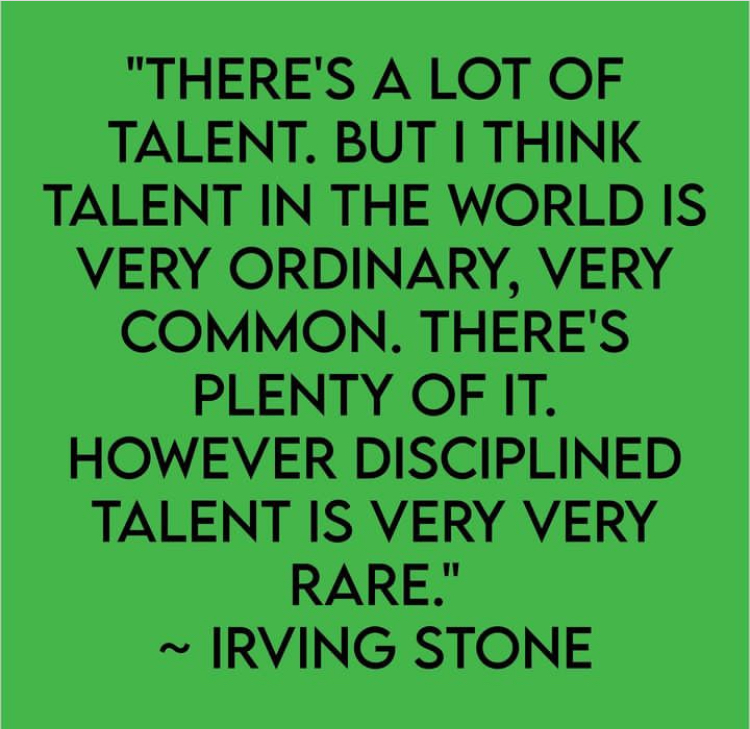
While natural talent in acting can serve as an advantage, it's not the primary determinant of success in the film industry. Accomplished actors rely on continuous learning, discipline, hard work, and perseverance. Versatility, the ability to handle rejection, networking skills, self-promotion, and an understanding of market trends also contribute significantly to an enduring acting career. Crucially, actors must work against being typecast and must take chances on unconventional roles to showcase their range.
Keeping the Contacts You Make: Relationship Maintenance After Networking
I spent a lot of time networking and have worked with some great people in the film industry in Georgia, Pennsylvania, North Carolina and South Carolina. Building and maintaining relationships after networking is crucial for both personal and professional growth. Here are some tips to help you keep and nurture the relationships you establish: Follow … Continue reading Keeping the Contacts You Make: Relationship Maintenance After Networking
One Class I Recommend to All Actors
I recommend that all actors and aspiring actors take acting classes. I actually wrote a post about it here. I also wrote a post this last weekend on how to choose acting classes. One class that I recommend over all others is a self-tape audition class. It's considerably cheaper than most acting classes and it's … Continue reading One Class I Recommend to All Actors
Choosing the Right Acting Classes
The author shares their acting class experiences in Atlanta, emphasizing the importance of finding good-fit instructors and complementing one's personal learning style. They discourage blindly trusting classes promoted by instructors with minimal or outdated success, instead advising the reader to scrutinize potential instructors’ records. They stress the need for dialogue with other actors and thorough research to find the right classes.
Essential Acting Books for Aspiring Actors
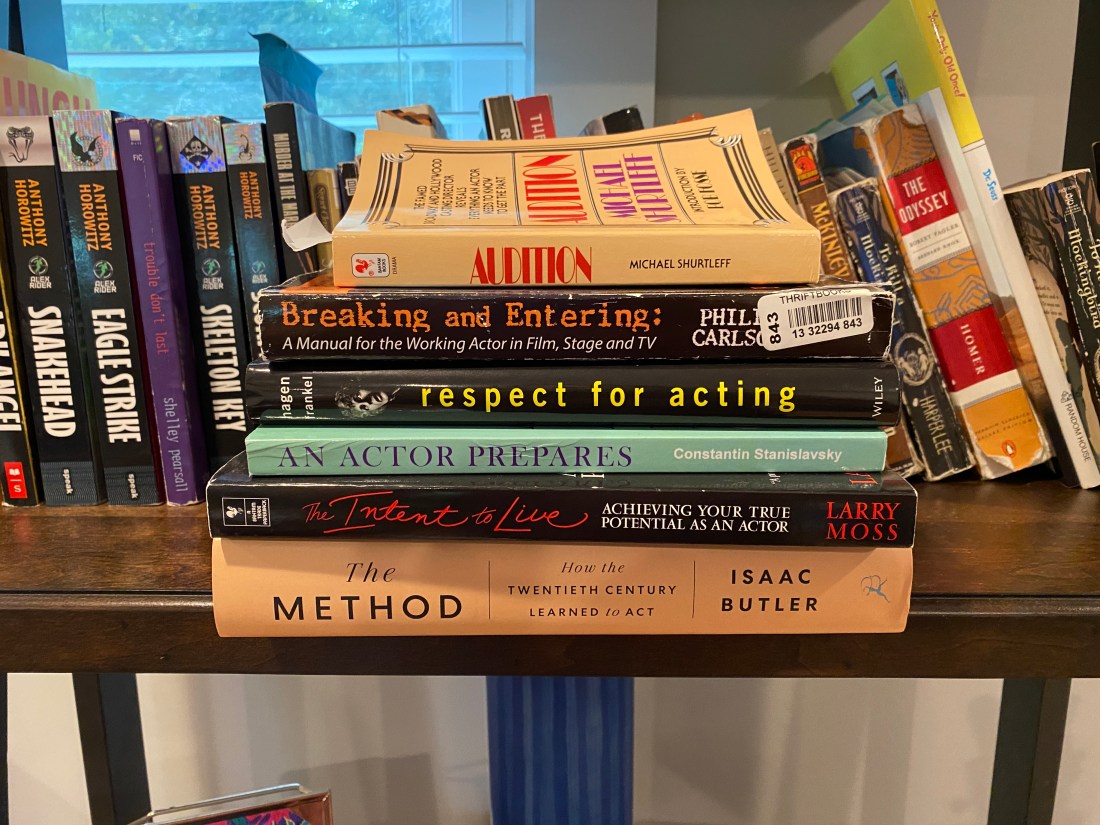
The content discusses the author's journey through various methods of acting, captured in books. The books range from on-camera manuals by Morris to practical guides by industry veterans like Philip Carlson and Michael Shurtleff to classic techniques from iconic teachers like Sanford Meisner and Stanislavski. They cover aspects like auditioning, character acting, neuroscience behind emotions, business and negotiation aspects of acting, and more.
Streamlining Your Self-Tape Audition Process: Tips, Tricks, and Equipment
The user shares their audition process, involving setting up a self-tape room equipped with Canon EOS Rebel SL3 camera and RØDE microphone on a tripod, lighting arrangement, and iPad as a teleprompter. They prefer preparing for auditions by understanding the character, choosing appropriate attire and hairstyles, and doing a maximum of three takes with an actor friend. Final steps include slating in one go, editing using iMovie on a Mac and diligently rechecking the recorded audition before submission.
Focused Acting Career: Setting Clear Goals for Success in the Film Industry
The author moved to Atlanta to explore acting, initially engaging in networking and trial acting classes. After deciding to pursue this professionally, the writer took headshots, found an agent, and started getting roles. They ended up building a solid acting resume from short films and other projects. Instead of diversifying their efforts, they focused on only acting in TV and movies to advance their career efficiently. They advised others on the importance of having clear goals and tackling these methodically, rather than pursuing various directions.
Background Acting is Not a Stepping Stone to Principal Roles
Background roles on film sets serve to experience being on set, networking with fellow background actors, and earning easy cash, without the requirement of professional headshots and reels. However, it offers slim chance of promotion to principal roles. Background acting can potentially harm career opportunities and is not a shortcut to full-fledged acting career.