
One of the great things about acting books is learning about different methods with a small investment. Once something calls out to you, an in person class would be the next step. Before I got to Atlanta, I bought books on different methods of acting, on the business of acting and auditioning. The ones I bought are below (affiliate links are included with all books)

One of the most technically focused on-camera manuals on the market… Morris looks at the neuroscience behind human emotions and what the camera actually captures—from the mechanics of dialogue, voice, and physicality, to discovering your own form of naturalistic acting.
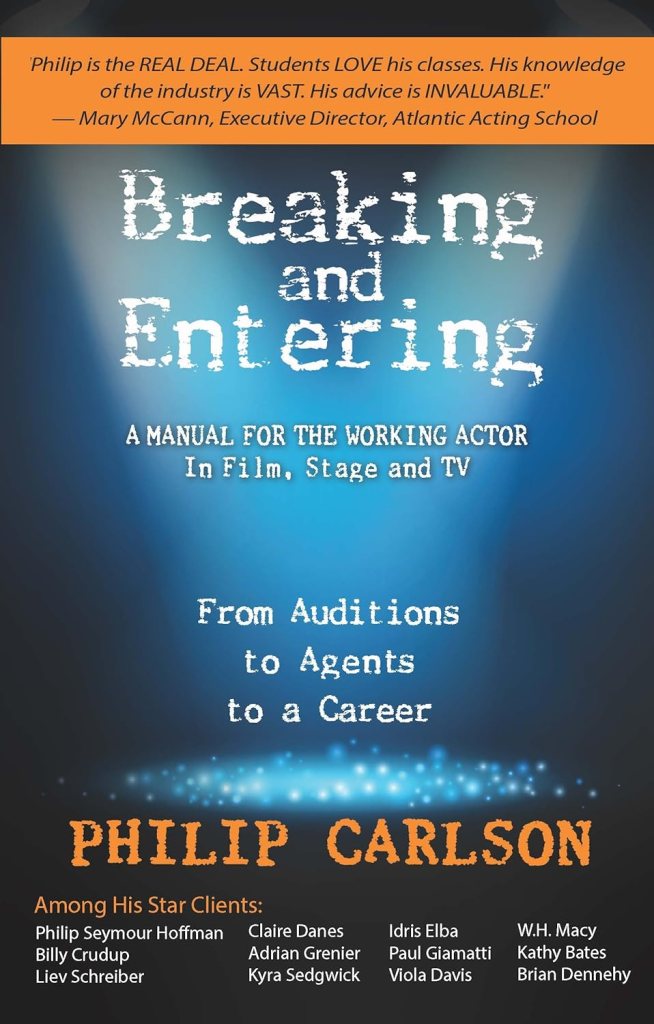
This one was recommended by a fellow actor friend.
Philip Carlson was the first agent to sign Phillip Seymour Hoffman, Billy Crudup, Liev Schreiber, Claire Danes, Idris Elba, Kyra Sedgwick, Adrien Grenier and Paul Giamatti. He has represented Viola Davis, Kathy Bates, Brian Dennehy, and W.H. Macy among many and gifted others. He shares his practical trade secrets in this extraordinarily comprehensive guide on how to get into show business. Topics include: The Schools • The Business • Showcases • Casting Directors • Agents • Auditions • Which Coast? • Producers • Staying Real • Negotiating 101 • Where Do I Fit? • Movies • TV: Where the Real Money Is (These Days) • and more..
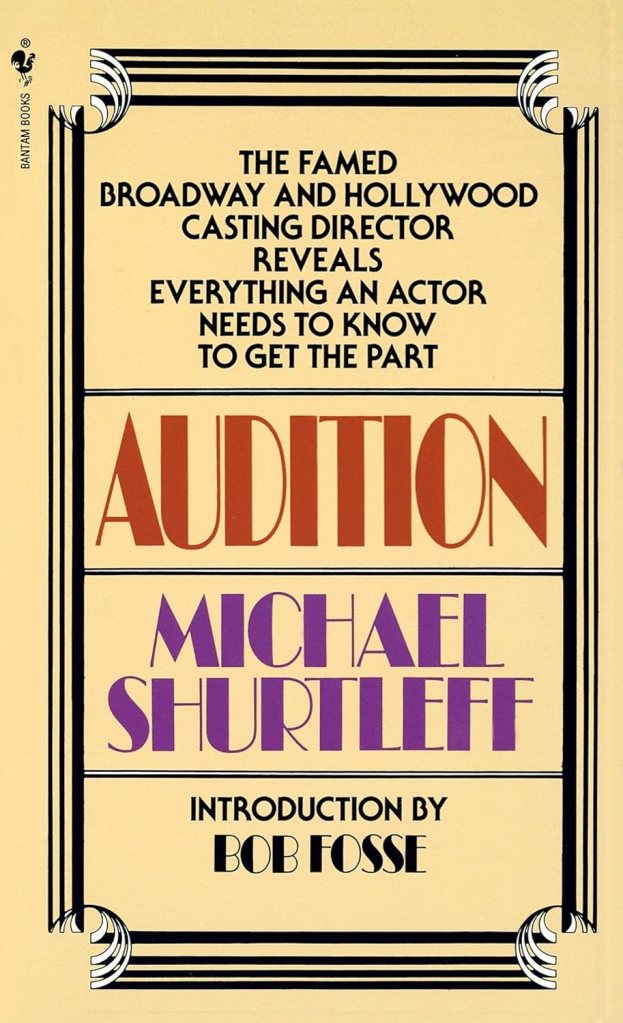
Michael Shurtleff has been casting director for Broadway shows like Chicago and Becket and for films like The Graduate and Jesus Christ Superstar. His legendary course on auditioning has launched hundreds of successful careers. Now in this book he tells the all-important how for all aspiring actors, from the beginning student of acting to the proven talent trying out for that chance-in-a-million role!
Twelve guideposts for actors plus:
Style • Pace • Over-Acting • Distractions • Risks • Drama • Musical Theater • Comedy • Self-Rescue • Seduction • Eye Contact
. . . And more
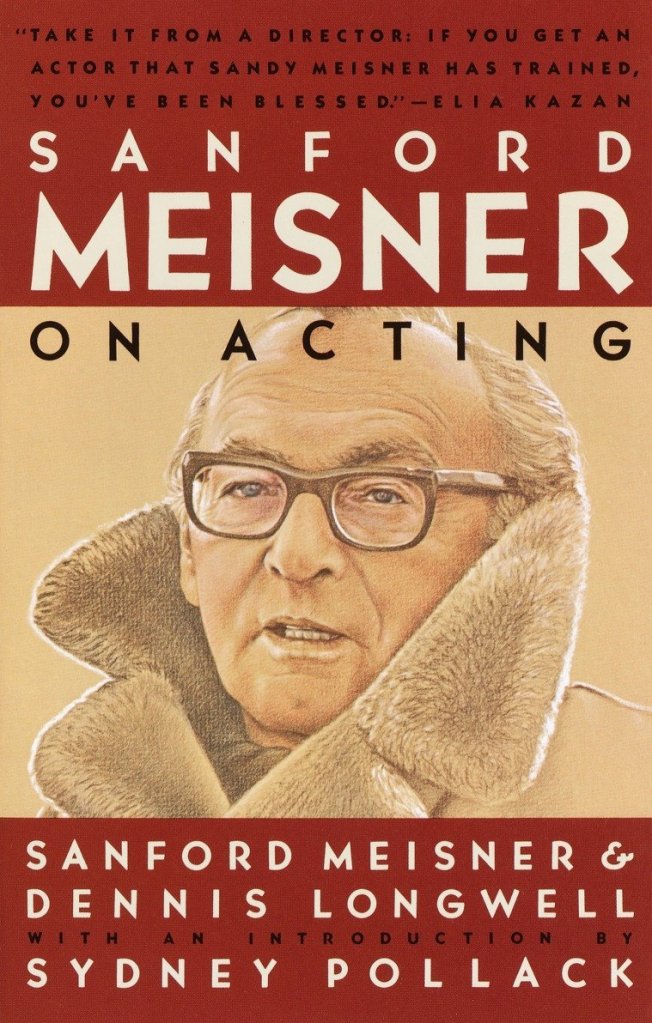
Meisner is not my method of choice, but I do understand the value in it and took a foundational Meisner class.
Sanford Meisner was one of the best known and beloved teachers of acting in the country. This book follows one of his acting classes for fifteen months, beginning with the most rudimentary exercises and ending with affecting and polished scenes from contemporary American plays. Written in collaboration with Dennis Longwell, it is essential reading for beginning and professional actors alike. Throughout these pages Meisner is a delight—always empathizing with his students and urging them onward, provoking emotion, laughter, and growing technical mastery from his charges.
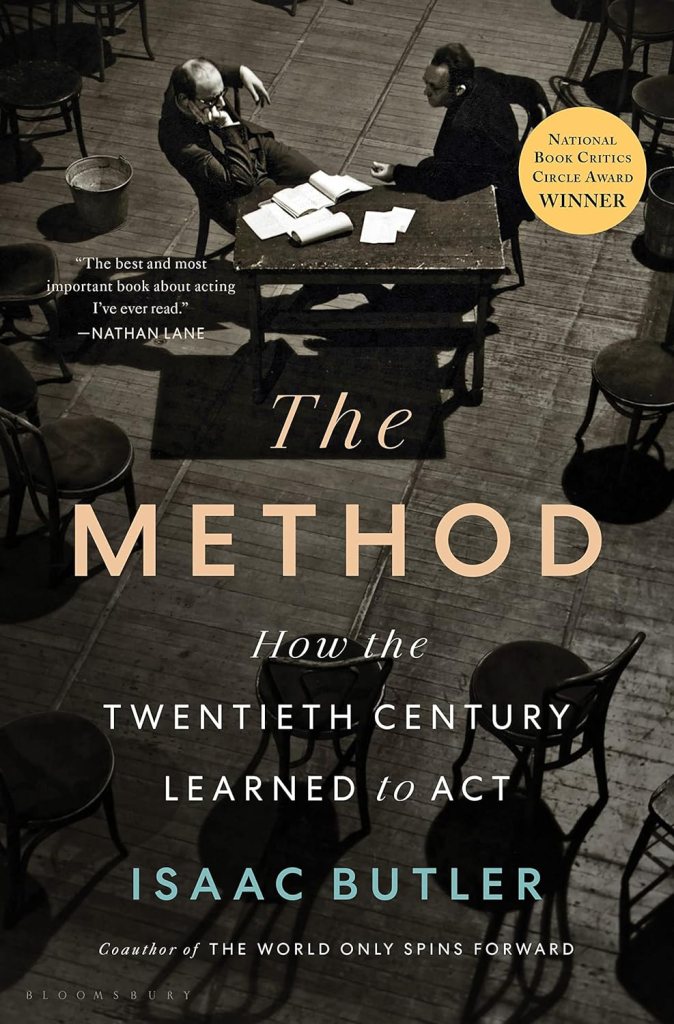
In “The Method” Issac Butler has written the perfect book for those of us who are interested in the forces that shaped some of the best American acting of the 20th Century. From Stanislavski to Stella Adler and Elia Kazan and those influenced by them, Butler shares his research and understanding of what made American actors so compelling. He shares anecdotes and insights about Brando, Kim Stanley, James Dean, Robert De Niro, Meryl Streep and others that are illuminating. If you love acting, read this.
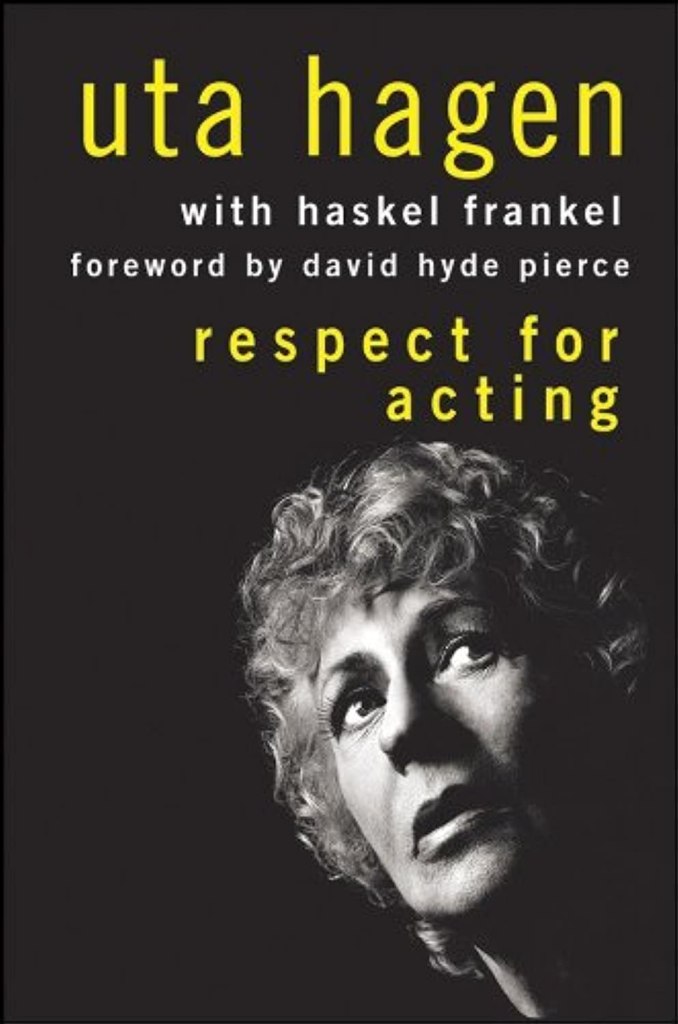
This is the very first book I read on acting and it opened my eyes to what the art of acting is really about.
Hagen’s blueprint for the actor, her design for “enlightened stage acting.” This classic book has helped generations of actors hone their craft, and its advice is as useful now as it was when it was first published. Hagen draws on her own struggle with the techniques of acting as well as her decades of teaching experience to break down the areas in which actors can work and search for realities in themselves that serve the character and the play. This approach helps actors to be specific in their actions in order to communicate an artistic statement.
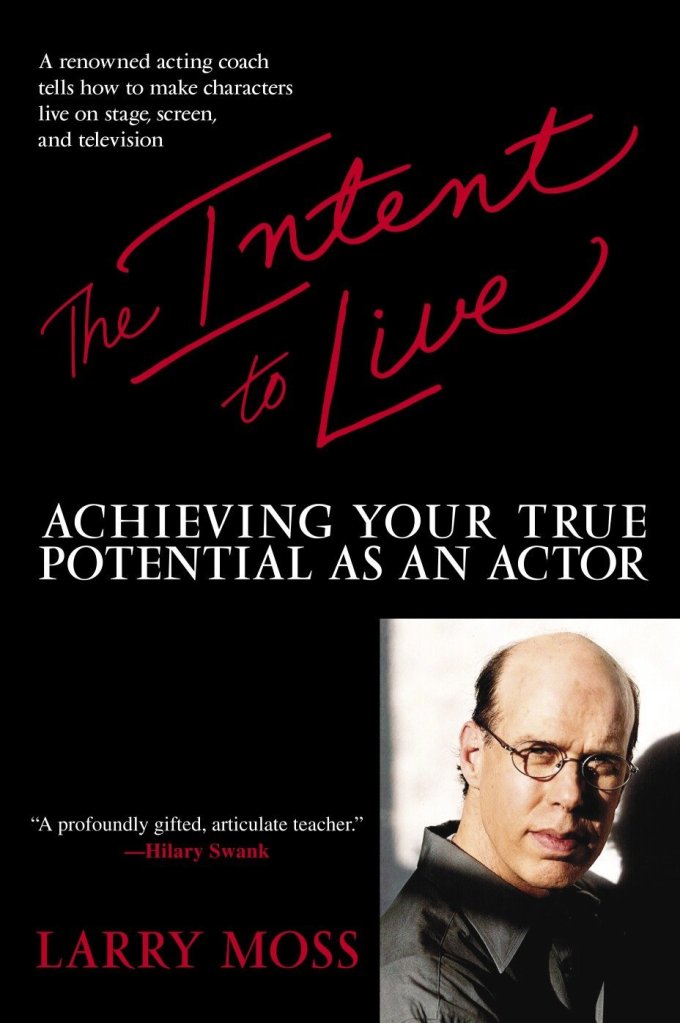
Moss shares the techniques he has developed over thirty years to help actors set their emotions, imagination, and behavior on fire, showing how the hard work of preparation pays off in performances that are spontaneous, fresh, and authentic.
From the foundations of script analysis to the nuances of physicalization and sensory work, here are the case studies, exercises, and insights that enable you to connect personally with a script, develop your character from the inside out, overcome fear and inhibition, and master the technical skills required for success in the theater, television, and movies.
Stanislavski is considered the original thinker for the basis of many modern acting techniques and theories, with his method inspiring countless decades of those studying theatre. This edition by Read & Co. Books features an introductory biography of the author and is an essential text for any actor’s library.
First published in 1936, this volume is brimming with inspiring methods for anyone interested in the craft of acting. In the book, Stanislavski teaches the fundamentals of his ‘system’ of learning to act, detailing the essentials of training, preparation and technique, and providing readers with the building blocks of great character acting. The narrative format in which it is written allows for classic techniques to be bought into practice today.
 Simon Shih